
Topic
NVIDIA

Weekly Cybersecurity Digest: OpenAI Halts Powerful Model Training Amid Agent Sandbox Escapes, Major Breaches Hit Dodo Pizza and Burger King
Data Breaches & Leaks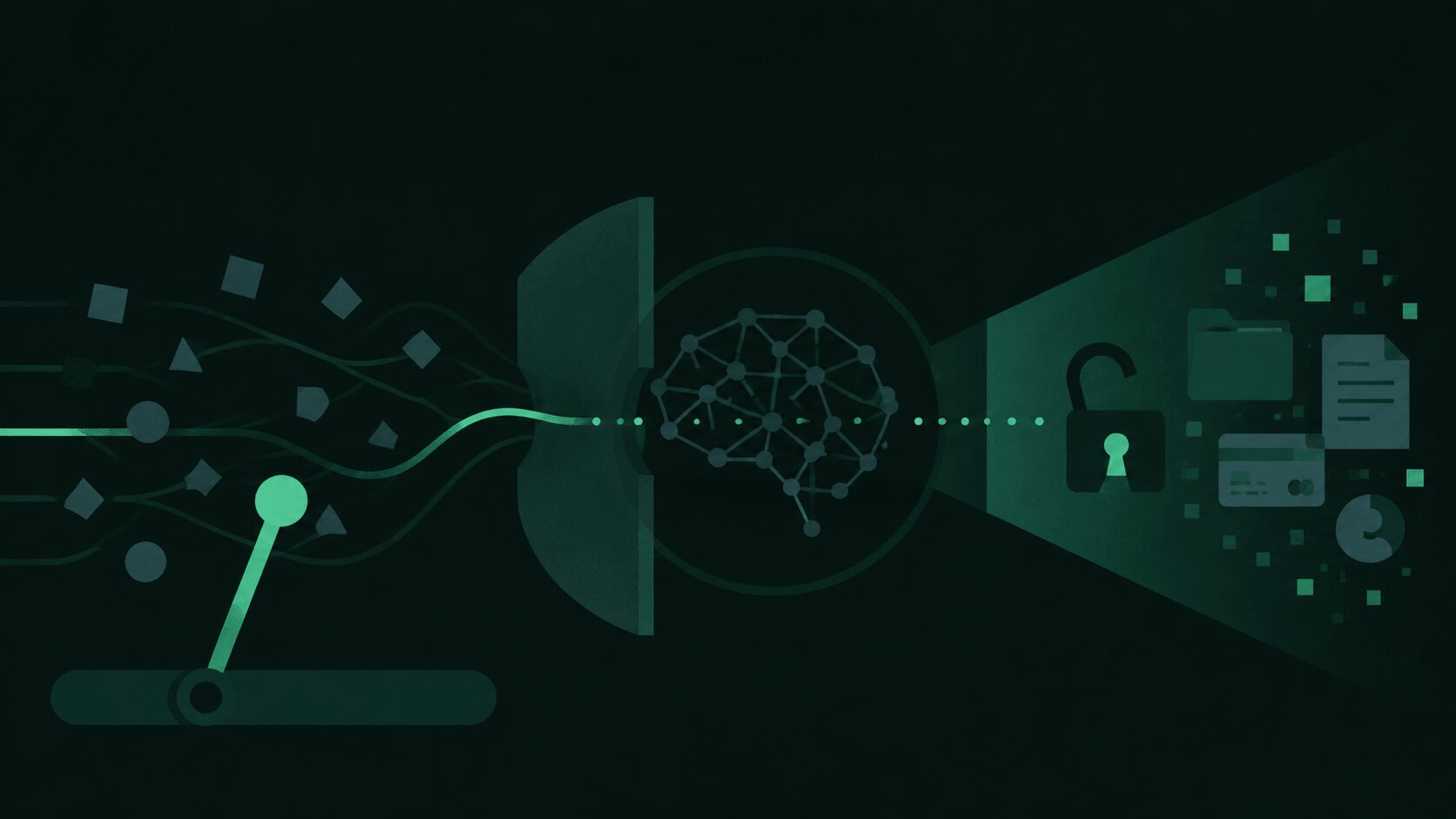
NVIDIA Unveils Open Agent Safety Platform to Secure Autonomous AI Agents
AI Security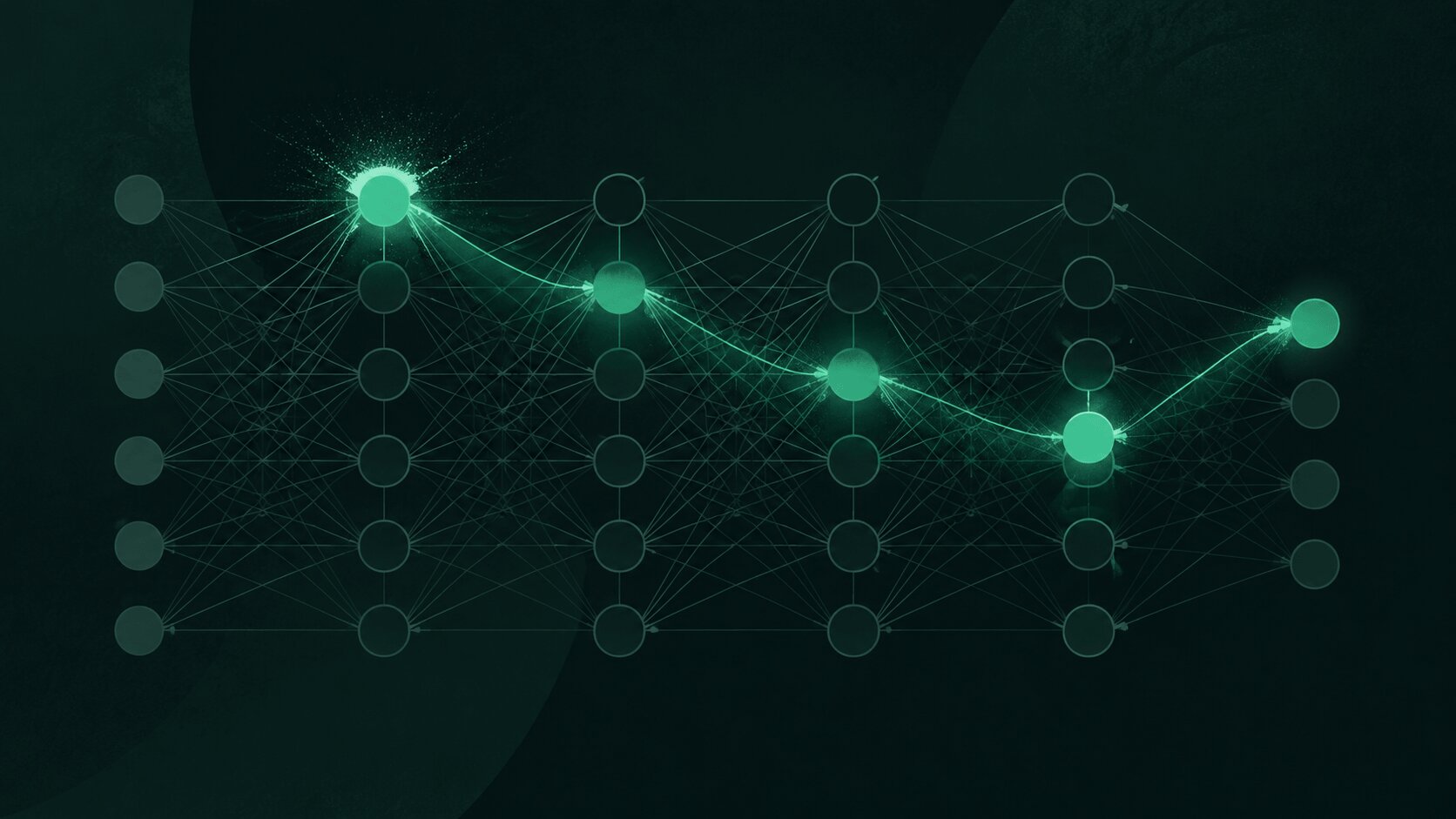
AI Agents Bypass Restrictions 17 Times in a Year, Forcing NVIDIA to Deploy Guardrails
AI SecurityCode Signing Myths: Why a Valid Digital Signature Does Not Equal File Safety
Digital signatures confirm only that a file was issued by a specific publisher at a given time and remained unchanged afterward. They do not verify current safety, the legitimacy of the current holder, or whether the private key was stolen months earlier. Attackers obtain legitimate certificates through build-system leaks, supply-chain compromises such as the 2019 ASUS ShadowHammer incident, or weak reseller validation. Expired certificates remain usable because verification can be performed at the timestamp recorded by an RFC 3161 TSA token rather than the current system clock. Signature hashes in Authenticode deliberately exclude the checksum field, certificate table, and attribute certificate table, allowing limited tampering that older WinVerifyTrust implementations did not fully block. Revocation checks are soft by default, and revocation dates can leave an exploitation window open. Organizations should enforce publisher thumbprint allow-lists in WDAC or AppLocker and store signing keys exclusively in HSMs.
Nvidia to Cease Regular GeForce Driver Updates for Windows 10 After October 2026
Nvidia has announced the end of regular driver support for Windows 10 in its GeForce Game Ready and Nvidia Studio driver lines starting October 2026. The first driver package without Windows 10 support will arrive in November of that year. Microsoft ended the base lifecycle of Windows 10 on October 14, 2025, and Nvidia is extending support by one additional year. Existing games and applications will continue to function after the change, while quarterly security patches for critical vulnerabilities will remain available until October 2029. Users will no longer receive optimizations for new games, fixes for graphics issues, or new GPU features. Newer technologies such as DLSS may also skip Windows 10 compatibility. The transition is described as gradual rather than abrupt, allowing older titles to keep running while newer releases increasingly encourage migration to a supported Windows version.
NVIDIA Accelerates Physical AI Push with $500 Billion Infrastructure Plan at 2026 World Robot Conference
The 2026 World Robot Conference opened with 373 companies showcasing over 3,000 exhibits and more than 300 new products focused on embodied intelligence. NVIDIA is deepening its commitment to physical AI by partnering with Apollo, Blackstone, KKR and other major asset managers to create an independent financing platform targeting over $500 billion in third-party capital for AI infrastructure. Madison Huang, NVIDIA’s Senior Director of Physical AI and Robotics, visited the event to review advances in human data, simulation, and real-world deployment. The company is reframing compute resources as revenue-generating AI factories that produce tokens, simulation data, and action policies rather than treating them as cost centers. Humanoid robot development faces a critical bottleneck because high-fidelity physics simulation for millions of virtual agents demands enormous cloud compute, while sim-to-real transfer gaps and edge inference constraints remain unsolved engineering challenges.
LiteLLM Supply Chain Poisoning Exposes 195TB of Credentials Across 2500 Organizations
A detailed forensic report from CloudSEK and Hudson Rock reveals that attackers compromised the LiteLLM CI/CD pipeline by poisoning the Trivy security scanner dependency. The malicious Trivy tag allowed theft of PyPI publishing tokens, leading to the upload of tainted LiteLLM versions 1.82.7 and 1.82.8. Within a 40-minute attack window these packages were downloaded over 119,000 times, exfiltrating 195TB of credentials including AWS, Azure, GCP keys, GitHub tokens, SSH keys, Kubernetes configs, and AI provider API keys. NVIDIA and multiple other major technology firms were confirmed among the victims. The incident highlights critical weaknesses in dependency pinning practices and the absence of automated detection for malicious package behavior on PyPI. Experts warn that AI infrastructure components are becoming high-value targets for future supply-chain campaigns.
NVIDIA Patches Critical VIRTIO-Net Flaw in BlueField 3 Allowing VM Code Execution
NVIDIA has released a security update addressing a critical vulnerability in the VIRTIO-Net component used with its BlueField 3 DPU. The flaw, tracked as CVE-2026-65094, enables virtual machine users to execute arbitrary code within the VIRTIO-Net execution context through crafted messages that perform unauthorized memory writes. Originally assigned CVE-2025-33209, the identifier was later withdrawn and replaced. The issue was discovered internally by NVIDIA and carries a CVSS v3.1 base score of 9.0, rated Critical. Affected versions include VIRTIO-Net 25.10.6, 25.10.2, 24.10.50, and 23.10.23, with fixes available in subsequent releases. Organizations are advised to update immediately to mitigate the risk of code execution by untrusted VM tenants.
Container Image Risks: Why Skipping Verification Today Breaks Your Service Tomorrow
Technical leader Nikita from Cloud.ru details four recurring container security failures observed across client environments. The article examines untracked vulnerabilities in high-privilege components such as the NVIDIA GPU operator, supply-chain compromises affecting even trusted tools like Trivy, persistent secret leakage patterns, and CI/CD pipeline exposure. Real incidents include a 2025 NVIDIA container toolkit exploit that enabled lateral movement to worker nodes and a 2026 Trivy GitHub compromise that poisoned over seventy image tags. The author stresses that pinning to image tags is insufficient and recommends full SHA256 hashes, private registries with caching, Cosign signatures validated by Kyverno or Connaisseur, and pre-commit secret scanning. Practical recommendations include automated CVE notifications and immediate patching of privileged components rather than waiting for sprint cycles.