
Topic
Trivy
Password Deleted from Git but Still Present: Major CI/CD Security Mistakes
Vulnerabilities & Exploits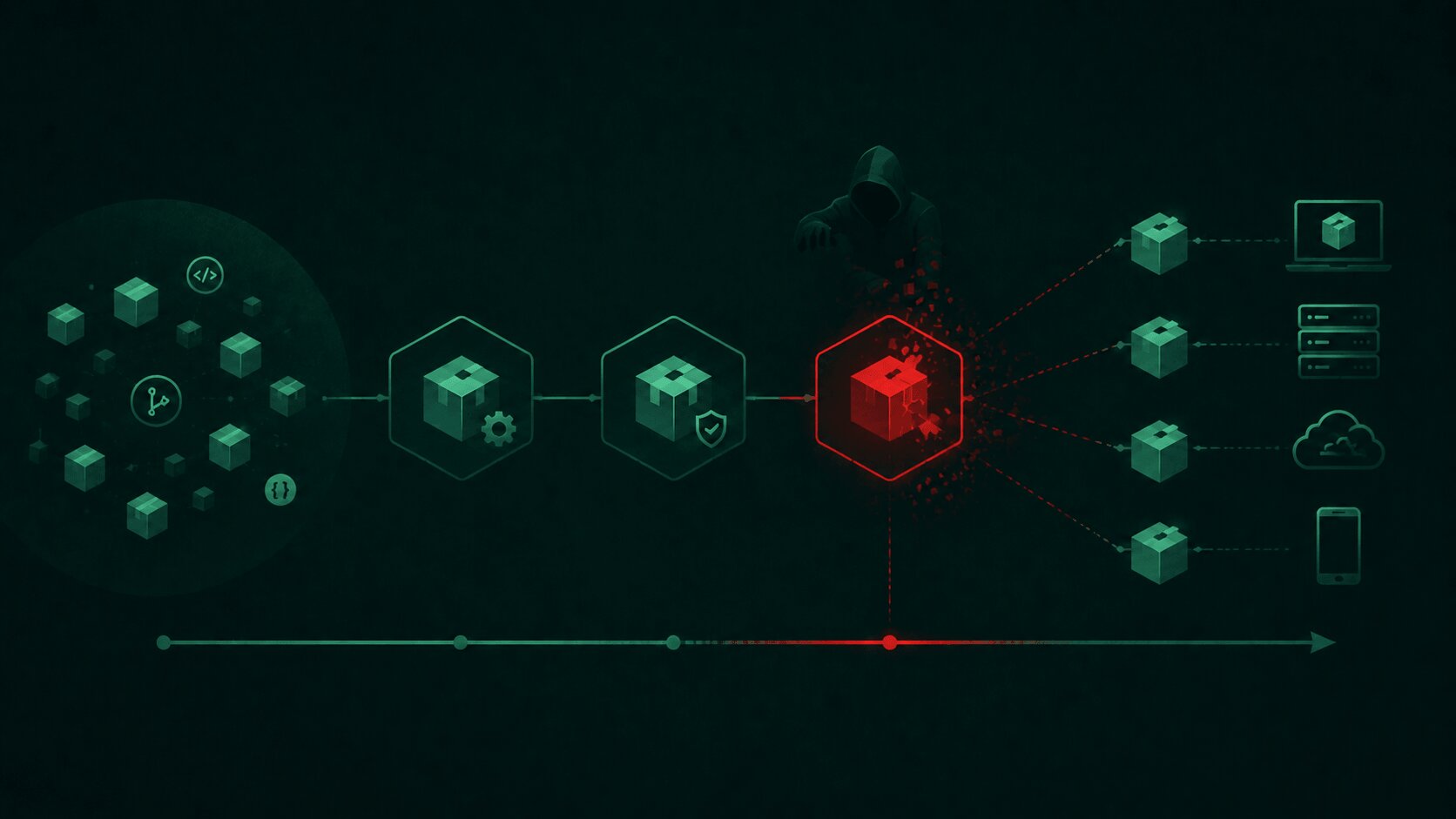
LiteLLM Supply Chain Poisoning Exposes 195TB of Credentials Across 2500 Organizations
Supply Chain & Open Source
Agent, Scan or Beyond: Modern Methods for Comprehensive Infrastructure Vulnerability Scanning
Vulnerabilities & ExploitsBuilding Secure MLOps Platforms in Air-Gapped Environments for DevOps Engineers
The article explains how DevOps engineers can construct a minimal yet complete MLOps platform inside a closed, air-gapped network without relying on any cloud services. It highlights the cultural gap between data scientists and DevOps teams and shows how MLOps practices such as data versioning, experiment tracking, and model registries bridge that gap. The architecture separates GPU training nodes from a Kubernetes serving cluster and uses open-source components including ArgoCD for GitOps, MLflow with PostgreSQL, MinIO, DVC, OpenBao, and External Secrets Operator. Special attention is given to secrets management with SOPS and age keys, image scanning with Trivy and Bandit, and secure Docker access via socket proxy on the training server. The setup avoids Kubeflow and HashiCorp Vault due to complexity and licensing concerns, favoring lighter, license-friendly alternatives suitable for isolated perimeters.
How to Audit All Python Virtual Environments for Compromised Packages Without Executing Python
The article describes a practical workflow for discovering whether any Python virtual environments contain known malicious package versions. The author maintains a registry of all .venv directories across local disks and external volumes using find commands and shell hooks. A Bash script then iterates through the registry and runs uv pip freeze against each environment to list installed dependencies without invoking the Python interpreter. This approach avoids risks highlighted by recent supply-chain attacks on packages such as LiteLLM, where even python -V or pip freeze could trigger malicious .pth files. The method also supports locating outdated packages, identifying usage of deprecated libraries, and searching project code for specific functions. Configuration settings like PIP_REQUIRE_VIRTUALENV=true and the uv tool further prevent accidental global installations.
GitHub and PyPI Introduce Time-Based Defenses Against Supply Chain Attacks
GitHub and PyPI have activated new time-based barriers to slow down supply chain attacks. Dependabot now waits a default of 72 hours before proposing version updates, while PyPI rejects new files added to releases older than 14 days. The changes target non-security version updates and attempts to poison older stable releases. Security updates remain immediate, and the cooldown can be adjusted via dependabot.yml. The PyPI restriction, effective since July 8 2026, addresses risks from compromised tokens or CI/CD pipelines. Both platforms aim to give the community time to detect malicious packages before widespread adoption.
Container Image Risks: Why Skipping Verification Today Breaks Your Service Tomorrow
Technical leader Nikita from Cloud.ru details four recurring container security failures observed across client environments. The article examines untracked vulnerabilities in high-privilege components such as the NVIDIA GPU operator, supply-chain compromises affecting even trusted tools like Trivy, persistent secret leakage patterns, and CI/CD pipeline exposure. Real incidents include a 2025 NVIDIA container toolkit exploit that enabled lateral movement to worker nodes and a 2026 Trivy GitHub compromise that poisoned over seventy image tags. The author stresses that pinning to image tags is insufficient and recommends full SHA256 hashes, private registries with caching, Cosign signatures validated by Kyverno or Connaisseur, and pre-commit secret scanning. Practical recommendations include automated CVE notifications and immediate patching of privileged components rather than waiting for sprint cycles.